Atopic dermatitis is a chronic inflammatory skin disease that manifests with intense itching, dryness and redness, and can affect people of all ages, although it is more common in childhood. It is a complex pathology, with periods of outbreaks and remission, which can significantly impact the patient’s quality of life due to the discomfort it causes and its possible relationship with other allergic diseases, such as rhinitis or asthma.
Although it has no single cause, there are multiple factors that contribute to its development, from genetic predisposition to environmental elements that can trigger or aggravate symptoms.
Atopic dermatitis is a multifactorial condition influenced by different elements that affect the skin barrier and the immune system.
Symptoms of atopic dermatitis may vary according to age and severity of the disease, but the most frequent symptoms include:
Among the main causes are:
Due to the complexity of this disease, treatment usually combines different strategies to help control symptoms and reduce the frequency of outbreaks.
Treatment of atopic dermatitis is based on improving skin barrier function, controlling inflammation and reducing itching. The most commonly used options include:

Nuestros especialistas te ayudaran a encontrar el tratamiento ideal para ti.
To minimize flare-ups and improve the quality of life of people with atopic dermatitis, it is essential to adopt proper care habits. Avoiding triggers is a key step in the management of this disease. Exposure to allergens, such as dust, pollen or animal hair, as well as contact with irritating fabrics or harsh chemicals, can aggravate symptoms. Identifying which specific factors affect each individual and reducing their presence in the environment can help prevent episodes of inflammation and itching.
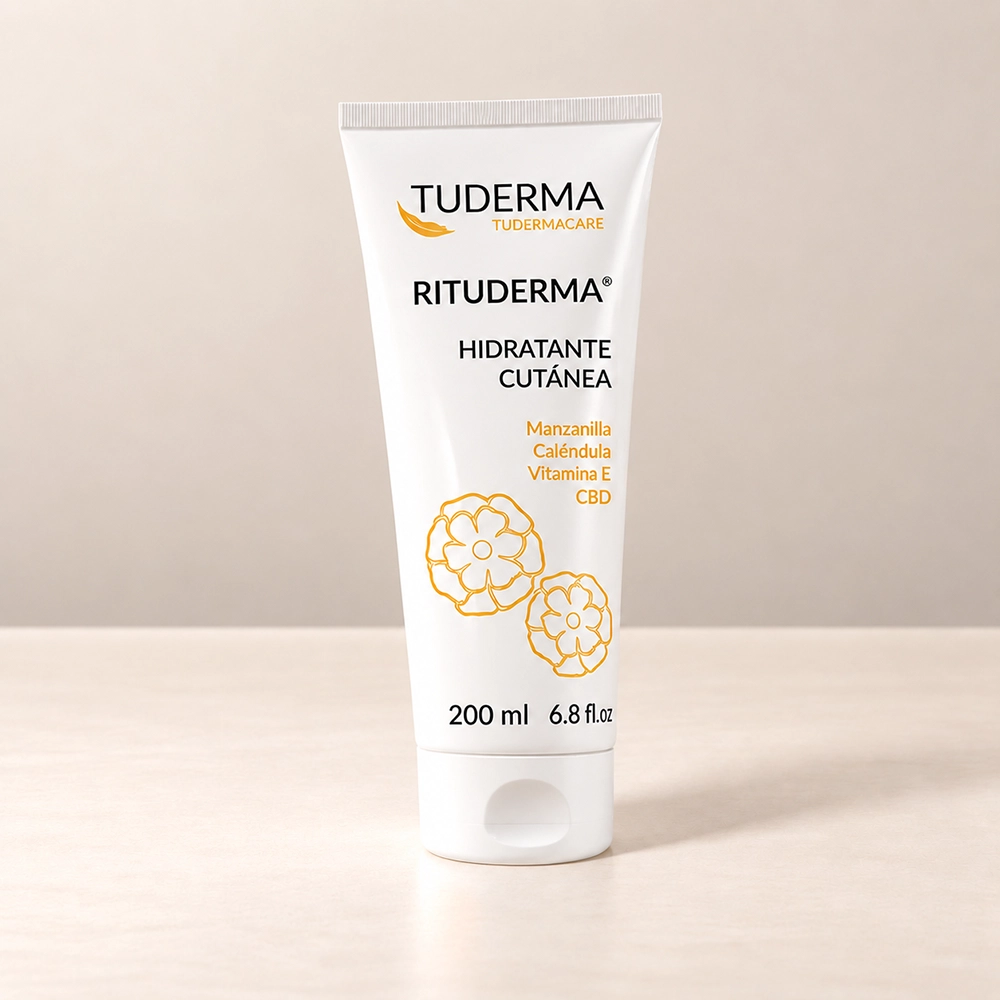
Daily skin care is essential to maintain the skin barrier in optimal condition. Applying moisturizers several times a day, especially after bathing, helps to retain moisture and reinforce the skin’s protective function. It is advisable to use emollient products without fragrances or aggressive preservatives, formulated specifically for atopic skin.
Hygiene also plays an important role in preventing outbreaks. Showering with lukewarm rather than hot water is recommended, as high temperatures can dry out the skin and aggravate irritation. In addition, it is preferable to use mild, unscented cleansers rather than traditional soaps, which can strip the skin of its natural oils and weaken its protective barrier.
Stress is another factor that can influence the frequency and intensity of flare-ups. Although it is not a direct cause of atopic dermatitis, it can trigger or worsen symptoms. Incorporating relaxation techniques, meditation or physical activity into the daily routine can help reduce stress and contribute to better control of the disease.
If atopic dermatitis affects your quality of life and symptoms are persistent or severe, specialist guidance is essential. Accurate diagnosis and personalized treatment can make all the difference in controlling the disease. There are specialized solutions designed to reduce inflammation, relieve itching and improve skin health. Consult with our specialists and find the treatment that’s right for you.
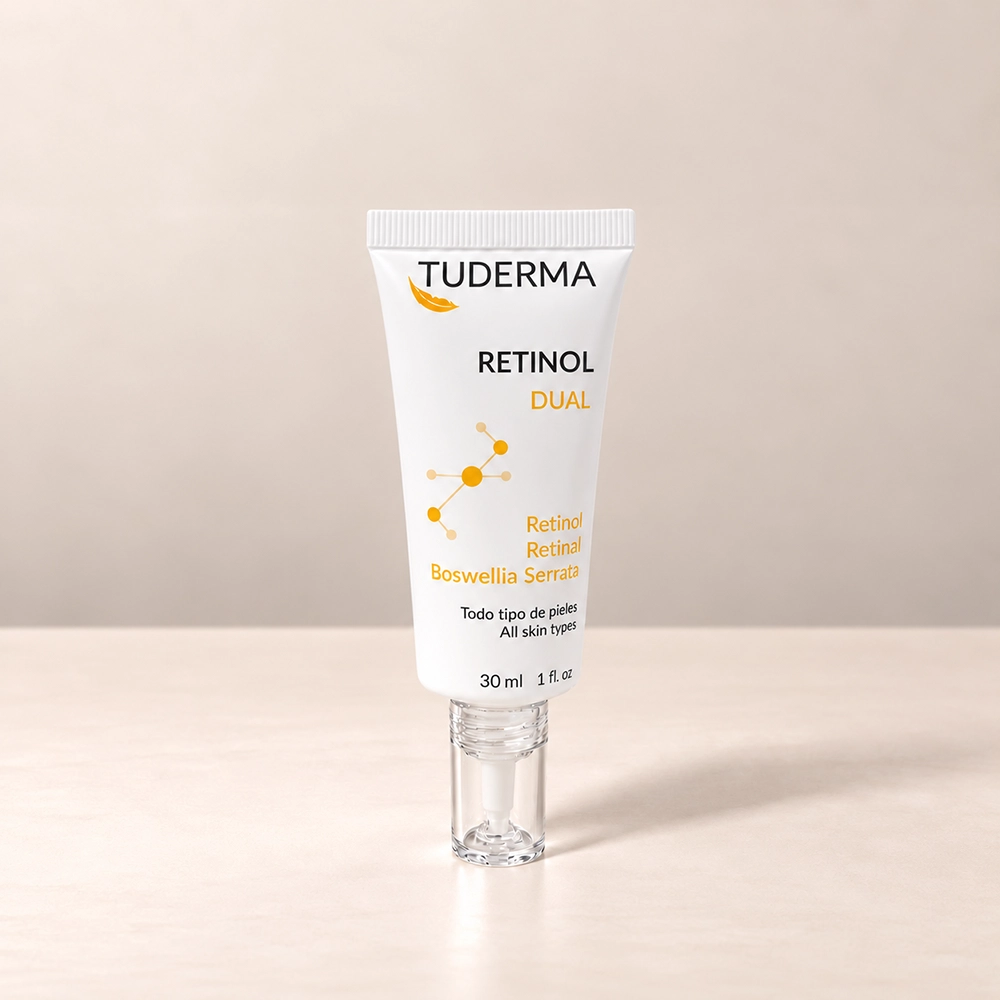
43,00 €
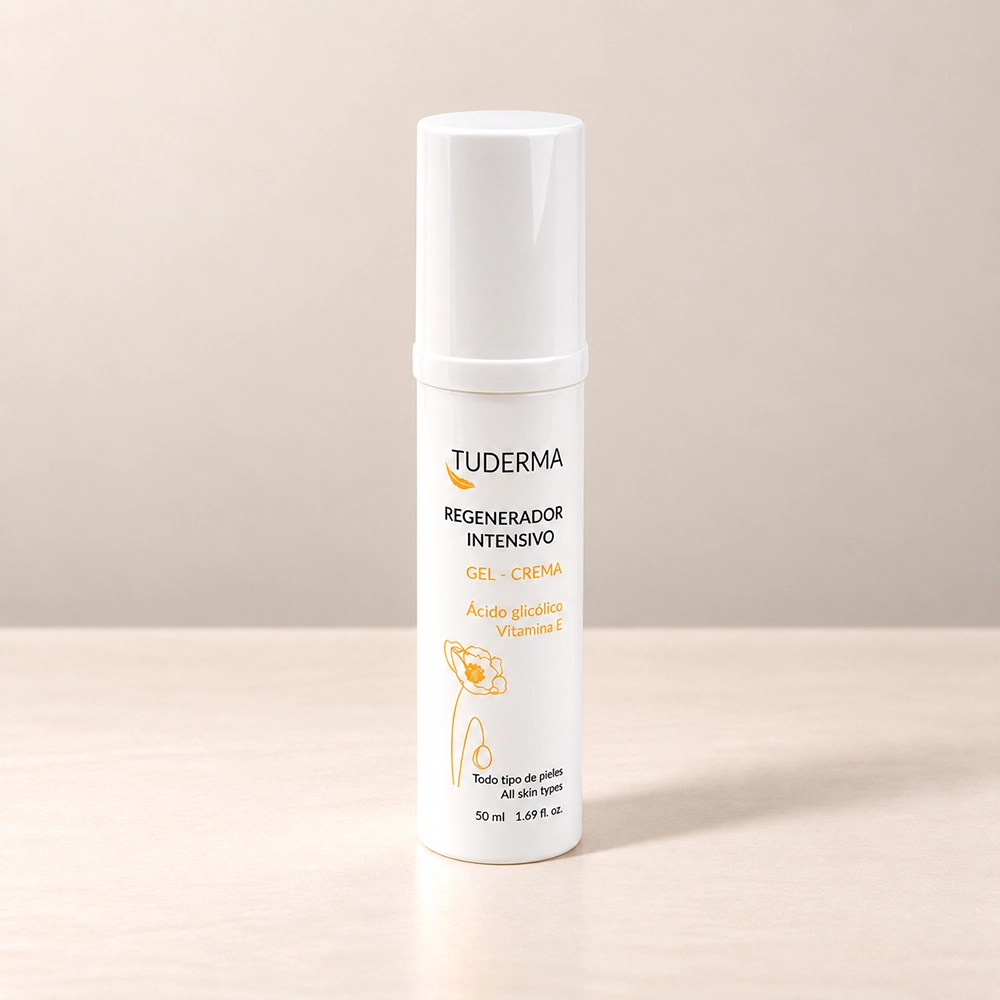
41,00 €
To offer the best experiences, we use technologies such as cookies to store and/or access device information. Consent to these technologies will allow us to process data such as browsing behavior or unique IDs on this site. Failure to consent, or withdrawal of consent, may adversely affect certain features and functions.