Cutaneous papillomas, commonly known as warts, are benign skin lesions caused by infection with the human papillomavirus (HPV). This virus infects epithelial cells, causing an abnormal growth that manifests as small bumps on the skin.
HPV is transmitted primarily by direct skin-to-skin contact with an infected person. In addition, the virus can be spread by touching contaminated objects, such as towels, clothing or wet surfaces in public places such as swimming pools and locker rooms. Small lesions or cuts in the skin facilitate the entry of the virus, increasing the risk of infection.
Although many warts may disappear spontaneously over time, there are several treatments to accelerate their removal:
The choice of treatment depends on the type of wart, its location and the patient’s characteristics. It is essential that a dermatologist evaluates each case to determine the most appropriate option.

Nuestros especialistas te ayudaran a encontrar el tratamiento ideal para ti.
Prevention of skin tags is key to reducing the risk of contracting or spreading the human papillomavirus (HPV). Maintaining proper hygiene is essential, so it is recommended to wash hands regularly with soap and water, especially after touching lesions, to prevent the spread of the virus. It is also important to avoid scratching warts, as this can facilitate autoinoculation and the spread of the virus to other parts of the body. Another essential measure is not to share personal items, such as towels, clothing or sports equipment, which could be contaminated and could favor contagion.
In addition, the use of footwear in public areas such as showers, swimming pools and locker rooms is recommended, as these spaces are prone to harbor the virus and can be a source of infection. It is also advisable to cover lesions with bandages or dressings to reduce the possibility of transmission to others, especially in situations of close contact.
Applying these preventive measures is essential to control the spread of HPV and minimize the risk of infection. Early diagnosis and following dermatological recommendations can make a difference in the treatment and management of skin tags.
Our team of dermatologists specializes in the diagnosis and treatment of skin tags. We offer personalized solutions tailored to each patient, ensuring quality care and optimal results.
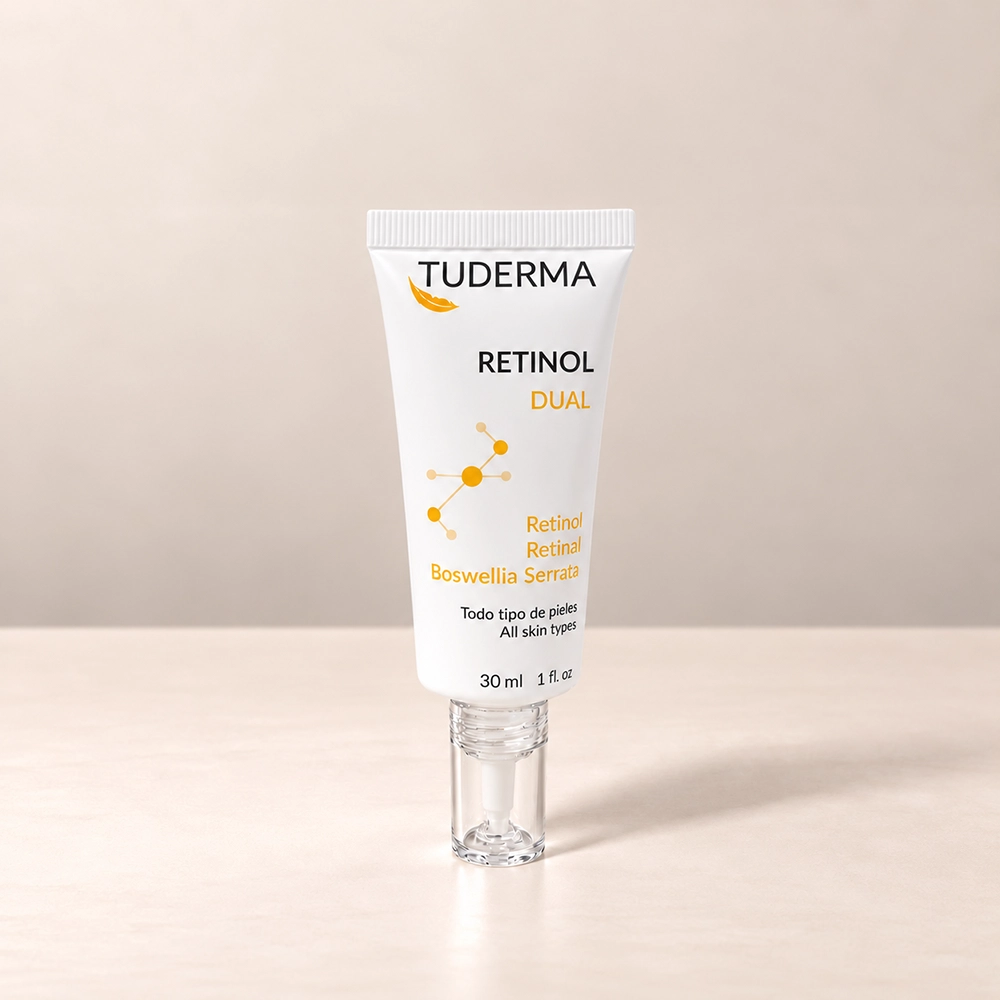
43,00 €
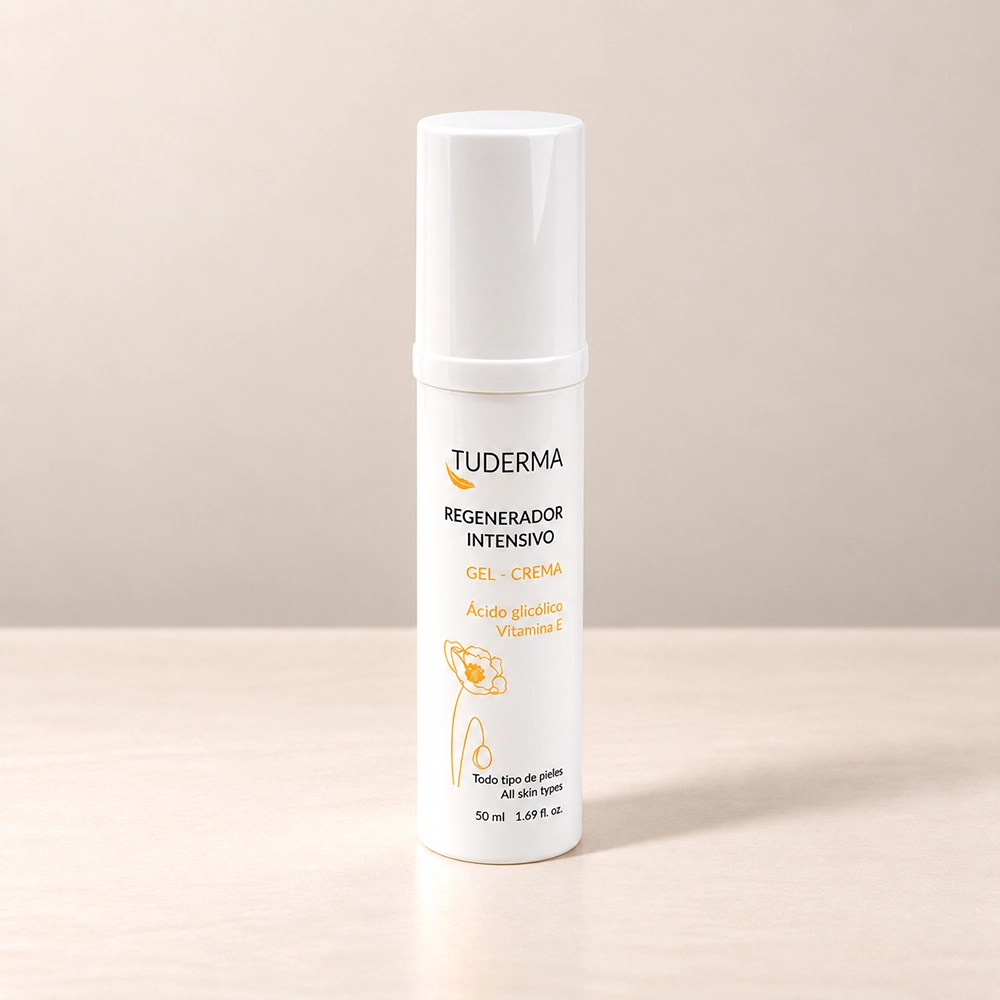
41,00 €
To offer the best experiences, we use technologies such as cookies to store and/or access device information. Consent to these technologies will allow us to process data such as browsing behavior or unique IDs on this site. Failure to consent, or withdrawal of consent, may adversely affect certain features and functions.