
CONSEJOS Y NOVEDADES
PARA EL CUIDADO DE TU PIEL
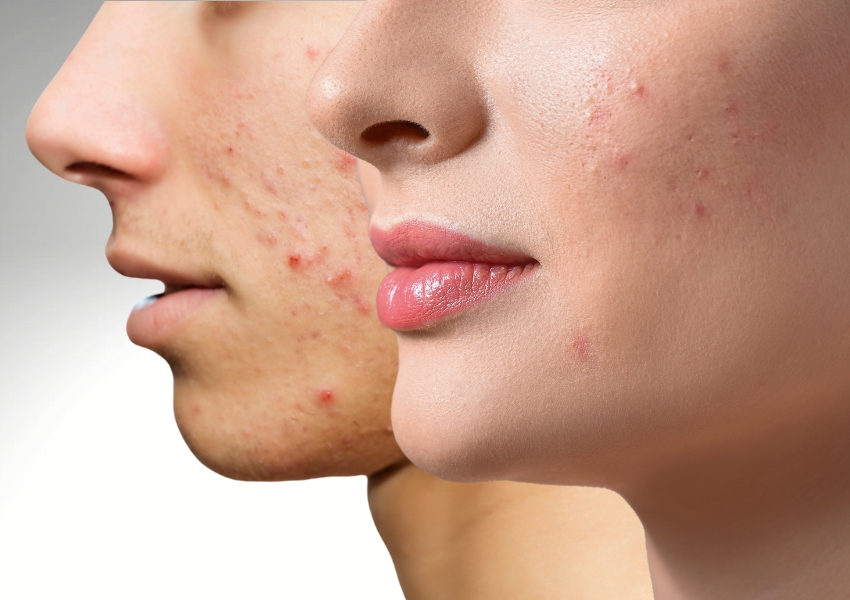
Autumn, characterized by the transition from warmer to cooler temperatures, can affect the condition of our skin, and many people experience worsening acne during this season.
Below, we look at the reasons behind this phenomenon and how to manage it.
Why does acne get worse in autumn?
The sun has a clear anti-inflammatory effect on the skin, improving inflammatory lesions, including those of acne, giving the impression that the outbreak improves.
However, in many cases, this improvement is temporary and when the summer is over and sun exposure is reduced, acne reemerges with acute outbreaks of inflammatory lesions, such as red pimples and pus pimples.
Other factors related to worsening acne in autumn is post-holiday stress and the onset of drier, colder weather that can again promote skin inflammation and worsen the situation.
How to Prevent Fall Acne Breakouts
Although changes in the weather can make it difficult to manage acne, there are strategies that will help you keep your skin healthy and balanced during the fall.
Gentle cleansing. Opt for a gentle cleanser that won’t dry the skin. You can also incorporate products with moisturizing ingredients, such as hyaluronic acid or glycerin, that keep skin hydrated without clogging pores.
Adequate hydration. Even if you have acne-prone skin, it’s crucial to keep it well hydrated. Use a light cream formulated for oily or combination skin to balance moisture and oil production. Dry, irritated and inflamed skin makes acne worse.
Moderate exfoliation. Exfoliating is essential to remove dead skin cells, but overdoing it can irritate the skin. Opt for gentle physical and chemical exfoliants with acids such as salicylic acid, which penetrates pores and removes excess oil without over-drying the skin.
Balanced diet. What you eat also affects your skin. A diet rich in antioxidants, such as fruits and vegetables, and foods with anti-inflammatory properties, such as fish and nuts, helps fight acne from within. In addition, drinking enough water will keep your skin hydrated and promote the elimination of toxins.
Dream. Sleeping between 7 and 9 hours a day is essential for the body to have 100% regenerative capacity and this directly affects the skin.
To eliminate toxics. Tobacco and alcohol have been shown to have a very negative effect on the skin, causing premature skin aging in the short and long term.
Finally, it is important to keep in mind that every skin type is different, so you should adapt your daily cosmetic routine to your specific needs. For example, if you have oily skin, prioritize products that control oil production without drying out your skin. Ingredients such as salicylic acid and niacinamide are very useful for balancing oily skin. If your skin is dry or normal, even if you have acne, you should moisturize it well to prevent dermatitis, irritations or even new acne outbreaks.
Fall can be a challenging season for those with acne-prone skin, but with the right adjustments to your skin care routine, you can keep your skin balanced and healthy. The key is to properly moisturize, protect your skin from harsh environmental factors and maintain a balanced diet.
Remember that if you have persistent acne, you should consult a dermatologist to receive the best personalized treatment.
To offer the best experiences, we use technologies such as cookies to store and/or access device information. Consent to these technologies will allow us to process data such as browsing behavior or unique IDs on this site. Failure to consent, or withdrawal of consent, may adversely affect certain features and functions.