
CONSEJOS Y NOVEDADES
PARA EL CUIDADO DE TU PIEL
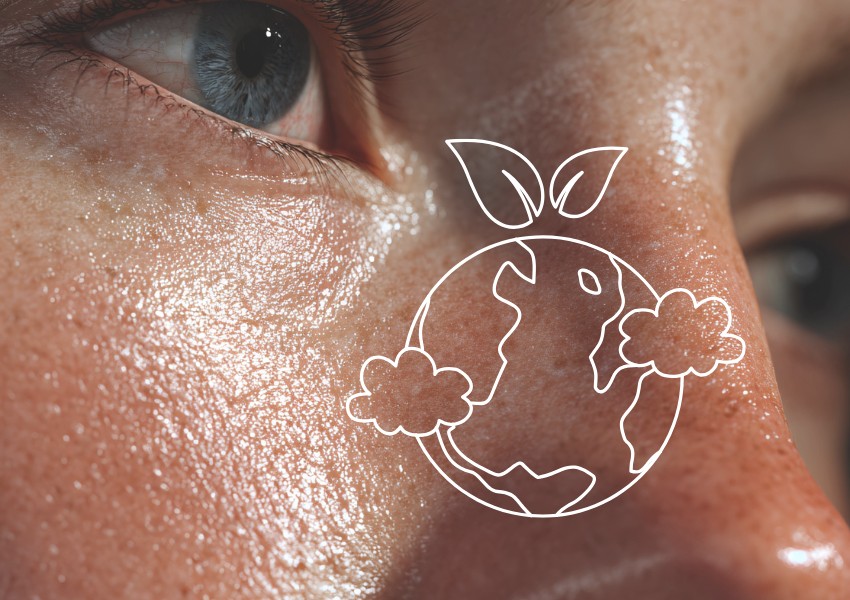
The skin acts permanently as an interface between the body and the environment. Beyond direct sun exposure, there are multiple daily environmental factors that influence its barrier function, its inflammatory balance and its aging process. Understanding these mechanisms makes it possible to approach skin care from a more comprehensive and preventive perspective.
The classic focus on UVB and UVA radiation alone has evolved. The impact of other components of the light spectrum, such as visible light – especially blue light – and infrared A radiation (IRA) is now recognized. These wavelengths, present both outdoors and indoors, can affect the skin by promoting oxidative stress, collagen loss and mild but persistent inflammation, even without visible signs.
In addition to these factors, there are the usual environmental conditions of daily life. Variations in temperature and humidity alter the balance of the skin, favoring water loss and the weakening of its natural barrier. In addition, air quality, especially in urban or poorly ventilated indoor environments, contributes to a continuous inflammatory burden. The reduction of fine particles through air purification systems can reduce this impact and improve skin comfort, especially in sensitive or reactive skin.
Exposure to environmental particles such as pollen is associated with increased skin reactivity and worsening of pre-existing inflammatory dermatoses, an effect that may be amplified by chronic emotional stress.
Structurally, the integrity of the skin barrier is a central element in skin health. The stratum corneum depends on a precise balance of ceramides, fatty acids and cholesterol to maintain its protective function. Continued exposure to radiation, pollution and oxidative stress can alter this lipid architecture, compromising both hydration and the skin’s ability to defend itself.
When the barrier is weakened, it triggers ongoing inflammatory responses and oxidative processes that contribute to premature aging, altered skin tone and loss of elasticity. In addition, a compromised barrier affects local immune function, reducing the skin’s ability to respond effectively to external aggressions.
In this context, skin care strategies must go beyond the traditional concept of photoprotection and focus on prevention, repair and maintenance of the barrier function. An appropriate daily routine includes respectful cleansing to preserve skin lipids, the use of formulations with antioxidants to limit environmentally induced oxidative damage and products designed to reinforce the barrier through ingredients such as niacinamide.
Complementarily, nutritional supplementation can support skin health from the inside out. Certain micronutrients, antioxidants and essential fatty acids contribute to the maintenance of barrier function, modulation of inflammation and response to oxidative stress. Integrating this dermo-cosmetic and nutritional approach allows for a more comprehensive and coherent skin care strategy.
The products developed by TUDERMA products are aligned with this comprehensive vision, offering solutions formulated to protect the skin against daily environmental aggressions and to promote long-lasting skin balance.
To offer the best experiences, we use technologies such as cookies to store and/or access device information. Consent to these technologies will allow us to process data such as browsing behavior or unique IDs on this site. Failure to consent, or withdrawal of consent, may adversely affect certain features and functions.