
TRATAMIENTOS
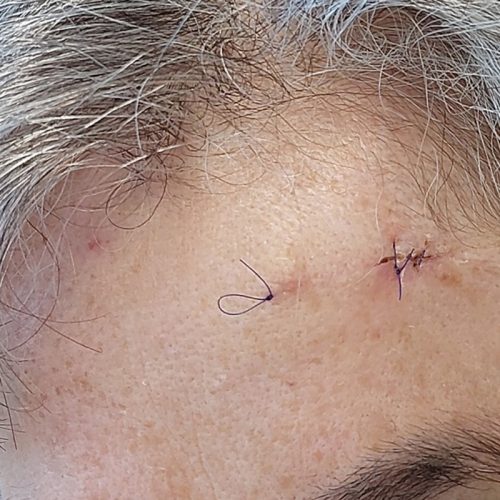
Mohs surgery is a highly specialized surgical procedure indicated for the treatment of certain high-risk skin tumors, especially in areas where surgery involves a high aesthetic impact, in tumors that appear on scarred or irradiated skin, in case of large tumors or in immunocompromised patients or those at risk of poor healing.
Selecciona tu dermatólogo, fecha y modalidad de consulta.
Mohs surgery allows a microscopic analysis of 100% of the margins of the excised piece (lateral and deep) at the same time of surgery through the joint work of the dermatologist and the pathologist, the latter requiring a pathological anatomy technician trained in the carving of the pieces specifically for this type of surgery.
This allows for the immediate excision of any residual cancerous tissue with a safe minimal margin of healthy skin, avoiding broader surgeries and their subsequent complications such as bleeding, re-interventions, or scarring.
It is indicated for skin tumors with high recurrence rates such as basal cell carcinoma and squamous cell carcinoma.
The cure rate for skin cancer using Mohs surgery is 99% compared to the 80% offered by conventional surgery.
The surgery is performed under local anesthesia. The dermatologist removes the visible tumor along with a small amount of surrounding tissue which is immediately analyzed. If tumor remnants are detected, new layers are removed only where necessary, repeating the process until tumor-free margins are achieved. All this is done during the same procedure.
Treatment is definitive if the tumor is completely removed. The cure rate exceeds 99%, so there is rarely recurrence when performed correctly. However, periodic dermatological follow-up is recommended.


To offer the best experiences, we use technologies such as cookies to store and/or access device information. Consent to these technologies will allow us to process data such as browsing behavior or unique IDs on this site. Failure to consent, or withdrawal of consent, may adversely affect certain features and functions.