Alopecia

Alopecia, commonly known as hair loss, is a condition that can affect both men and women of various ages. It is characterized by the reduction or absence of hair in areas where it normally grows and can manifest itself in different ways depending on its cause and evolution.

Although in many cases hair loss is progressive, there are effective treatments that can slow its progression and stimulate hair growth.


Types of alopecia

Alopecia is classified into two main groups: scarring and non-scarring, depending on whether the hair follicle retains its regenerative capacity or whether it has been irreversibly destroyed.

Non-scarring alopecia

In this group, hair follicles are not permanently destroyed, allowing hair recovery with proper treatment.

  • Androgenic alopecia. It is the most common form of alopecia and is associated with genetic and hormonal factors. In men, it usually begins with recession of the hairline, especially on the sides (receding hairline) and loss at the crown, while in women it presents as diffuse thinning without affecting the frontal hairline.
  • Telogen effluvium. It is a diffuse and temporary hair loss, triggered by factors such as stress, illness, hormonal changes or nutritional deficits. Once the cause is eliminated, the hair usually recovers gradually.
  • Alopecia areata. It is an autoimmune disease in which the immune system attacks the hair follicles, causing sudden hair loss in patches. It can resolve spontaneously or evolve into more extensive forms, such as alopecia totalis (complete hair loss on the scalp) or alopecia universalis (affecting the whole body).
  • Traumatic alopecia. Trichotillomania is caused by repeated physical aggressions to the scalp, such as excessive pulling for certain hairstyles, aggressive chemical treatments or prolonged use of heat tools. Trichotillomania, a disorder in which the person compulsively pulls out his or her hair, can also trigger it.
Scarring alopecia

In these forms of alopecia, the hair follicle is irreversibly destroyed and replaced by scar tissue, which prevents hair growth. They can be caused by autoimmune diseases, infections, trauma or burns. Examples include cutaneous lupus erythematosus and lichen planus pilaris.

Causes of alopecia

The causes of alopecia are varied and may include genetic factors, with hereditary predisposition being a key element in androgenic alopecia. Hormonal changes, such as those occurring during pregnancy, menopause or thyroid disorders, can also influence hair loss.

In the case of alopecia areata, the immune system mistakenly attacks the hair follicles, causing localized or generalized hair loss. Physical or emotional stress can trigger telogen effluvium, a type of temporary hair loss, while nutritional deficiencies, such as lack of iron, zinc or protein, affect hair health.

In addition, certain medications, including chemotherapy drugs, anticoagulants and contraceptives, can have hair loss as a side effect. To prevent this type of hair loss, the use of specific nutritional supplements can help strengthen the hair from the inside and improve its resistance.

The treatment of alopecia depends on its type and cause. We present the most commonly used options to stop hair loss and stimulate hair growth.

  • Topical treatments. Minoxidil is one of the most effective solutions, as it stimulates the hair follicle and prolongs the hair growth phase.
  • Systemic treatments. Drugs such as finasteride or dutasteride, which block the conversion of testosterone to dihydrotestosterone (DHT), help slow hair miniaturization in androgenic alopecia. Oral minoxidil has a very good safety profile and avoids having to apply a lotion daily.
  • Immunological therapies. In cases of alopecia areata, topical or injected corticosteroids can help modulate the immune response and stimulate hair growth.
  • Regenerative therapies. Procedures such as hair mesotherapy promote the regeneration of hair follicles and strengthen weakened hair.

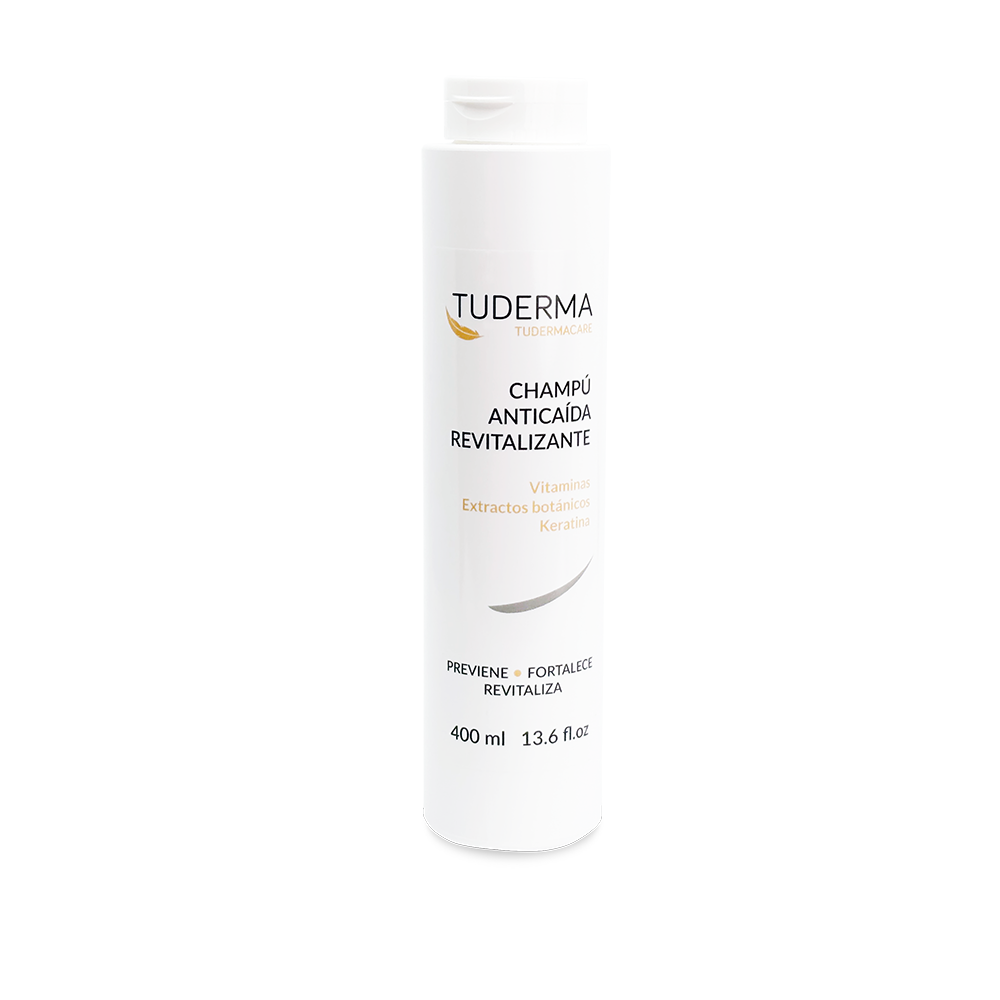
Supplements with biotin, zinc, iron and other specific micronutrients, such as Tuderma capsules, can be a key support to improve hair quality and strength from the root.

Tuderma treatments:

Maintaining healthy hair involves adopting a proper hair care routine and a balanced lifestyle. It is essential to use specific products for each hair type, avoiding aggressive treatments, excessive use of heat tools and prolonged exposure to chemical agents.

Following a diet rich in protein, vitamins and essential minerals is key to hair health, as well as stress management through relaxation techniques or exercise, as stress can contribute to hair loss.

If you notice abnormal hair loss, don’t let it progress. An early diagnosis can make a difference and help you regain hair density and strength. We have customized solutions that strengthen hair from the root and effectively stop hair loss. Recover the vitality of your hair with a professional approach designed for you.

Recommended products

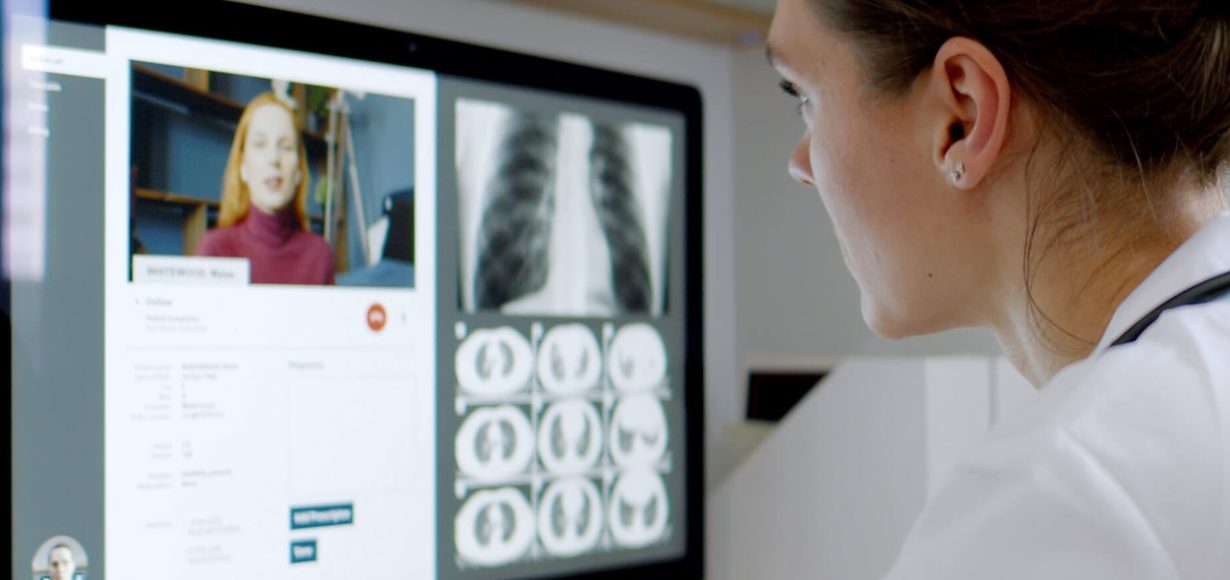
consulta-dermatologica-online.jpg

DERMATOLOGICAL CONSULTATION

Consultation with our DERMATOLOGISTS.
Immediate solutions for SKIN PROBLEMS

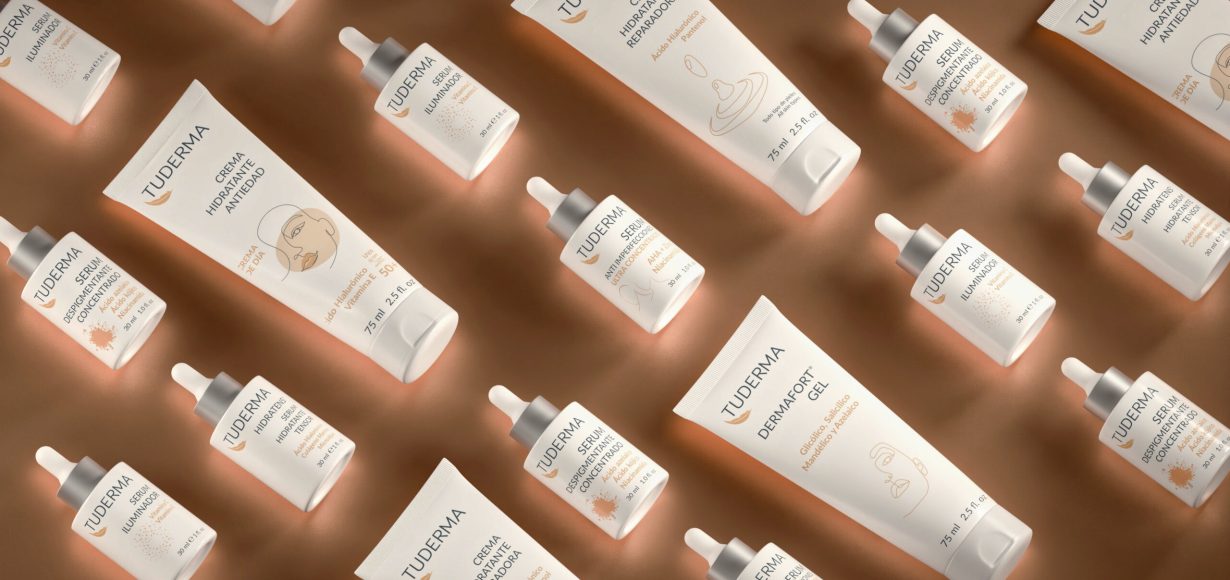
bodegon-tuderma-formulario-suscripcion-3

DERMOCOSMETIC PRODUCTS

recommended products
validated by our specialists