Rosacea

Rosacea is a chronic skin condition that mainly affects the face, manifesting with redness, swelling and the appearance of dilated blood vessels in areas such as the nose, cheeks, forehead and chin. In advanced stages, it can lead to thickening of the skin, especially on the nose, a condition known as rhinophyma.

Rosacea presents a variety of symptoms that can vary in intensity:

  • Persistent facial redness. Especially in the central area of the face.
  • Telangiectasia. Small blood vessels visible on the surface of the skin.
  • Papules and pustules. Acne-like bumps that may contain pus.
  • Burning or stinging sensation. Particularly in affected areas.
  • Thickening of the skin. Especially in the nose, which may lead to the development of rhinophyma.

Rosacea is classified into several subtypes:

  • Erythematotelangiectatic rosacea characterized by persistent redness and visible blood vessels.
  • Papulopustular rosacea presenting outbreaks of papules and pustules, similar to acne.
  • Phymatous rosacea associated with thickening of the skin and, in severe cases, rhinophyma.
  • Ocular rosacea affecting the eyes, causing redness, irritation and foreign body sensation.

The diagnosis of rosacea is mainly based on clinical evaluation by a dermatologist. There are no specific tests for its detection; however, it is essential to differentiate it from other skin conditions such as acne, seborrheic dermatitis or lupus, in order to establish an appropriate treatment plan.

Causes and triggers
Although the exact cause of rosacea is unknown, several factors have been identified that may trigger or aggravate its symptoms.
  • Sun exposure. Ultraviolet radiation can exacerbate redness and inflammation.
  • Temperature extremes. Both intense heat and cold can cause outbreaks.
  • Food and beverages. Consumption of spicy foods, hot beverages and alcohol may intensify symptoms.
  • Emotional stress. Prolonged stress, anxiety or depression can trigger episodes of rosacea.
  • Vigorous exercise. Intense physical activity can increase blood flow to the face, worsening the redness.
Identifying and avoiding these triggers is critical to the effective management of rosacea.

Although rosacea cannot be cured, there are multiple therapeutic options that help control and reduce its symptoms.

  • Topical medications. Creams or gels containing metronidazole, azelaic acid or ivermectin, used to reduce inflammation and skin lesions.
  • Oral antibiotics. Drugs such as doxycycline or tetracycline may be prescribed for moderate to severe cases.
  • Laser and intense pulsed light (IPL) therapies. These techniques are effective in reducing redness and telangiectasias by coagulating dilated blood vessels.
  • Oral isotretinoin. Reserved for severe cases that do not respond to other treatments, this retinoid helps to decrease sebum production and inflammation.
  • Ocular care. In cases of ocular rosacea, proper eyelid hygiene and sometimes the use of specific antibiotics is recommended.

It is essential that any treatment be supervised by a dermatologist to ensure its efficacy and safety.

Tuderma treatments:

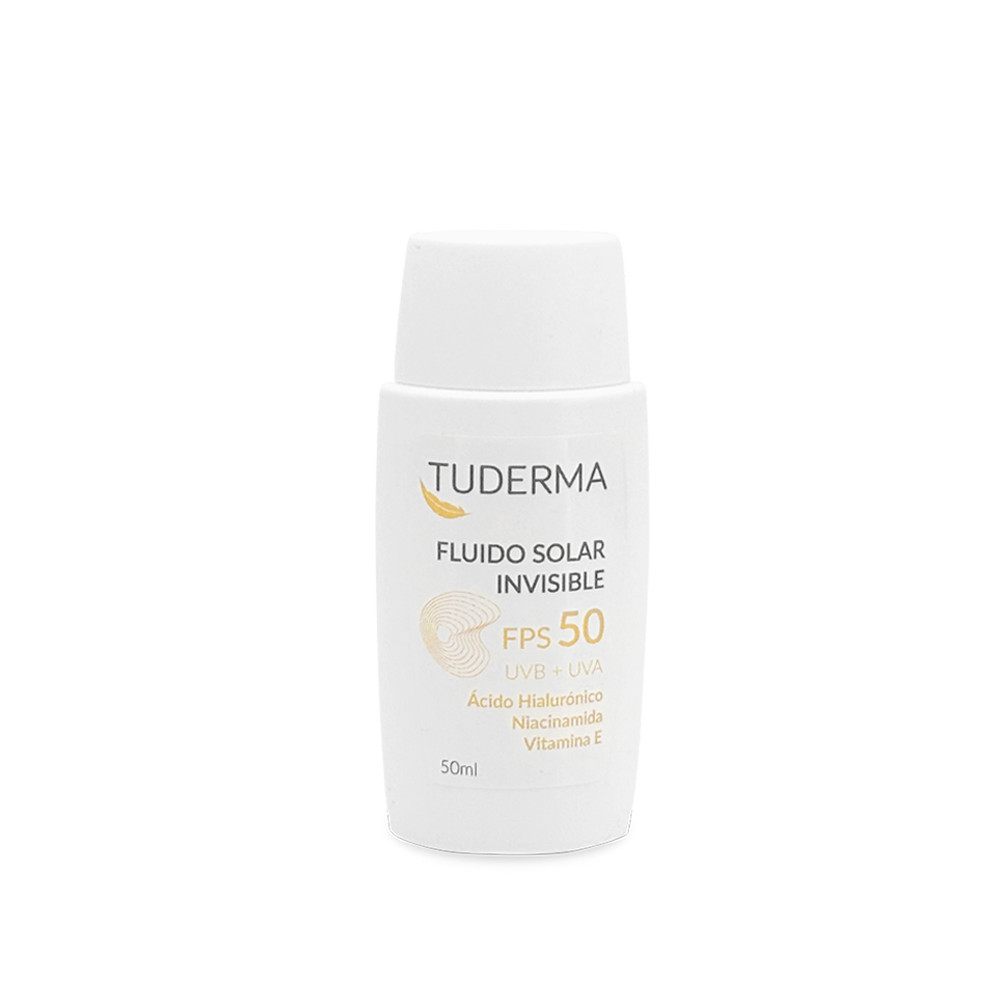
In addition to medical treatment, taking certain daily care measures can help minimize rosacea flare-ups and keep the skin in good condition. Daily use of sunscreen is essential, so it is recommended to apply a broad-spectrum sunscreen with a minimum SPF of 30 to protect sensitive skin from ultraviolet radiation, which can aggravate symptoms. It is also important to use gentle care products, such as cleansers and moisturizers without fragrances, alcohol or irritating components, as skin with rosacea is more prone to sensitivity.

It is also essential to avoid triggers, which can vary from person to person, but commonly include spicy foods, hot beverages, sudden temperature changes and stressful situations. Identifying them and reducing exposure to them can make a big difference in controlling the disease. Finally, a balanced diet can be an ally in the management of rosacea. Some studies suggest that a diet rich in fruits, vegetables and foods with anti-inflammatory properties can contribute to skin health and reduce the inflammation associated with this condition. Implementing these care habits can help improve the quality of life for rosacea sufferers and keep the skin in better condition for the long term.

Rosacea can significantly affect the self-esteem and quality of life of those who suffer from it. It is common for people to experience feelings of frustration, embarrassment or anxiety due to the appearance of their skin. Seeking psychological support and participating in support groups can be beneficial in coping with the emotional impact of the disease.

Recommended products

For more information click here:

  • Check some articles in our dermatology blog about Rosacea
consulta-dermatologica-online.jpg

DERMATOLOGICAL CONSULTATION

Consultation with our DERMATOLOGISTS.
Immediate solutions for SKIN PROBLEMS

bodegon-tuderma-formulario-suscripcion-3

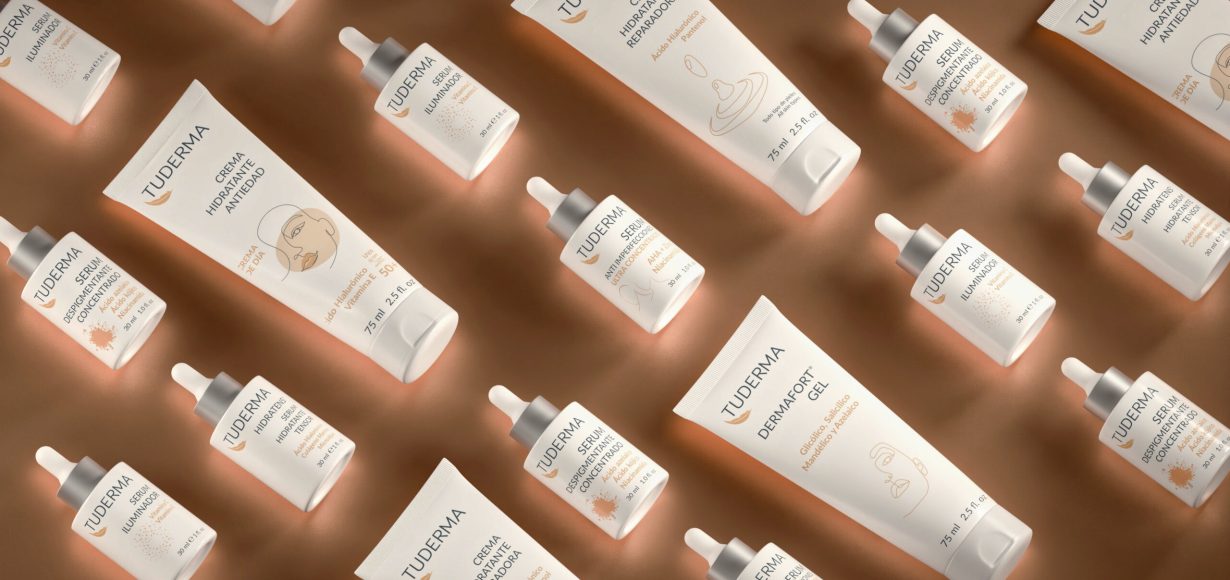
DERMOCOSMETIC PRODUCTS

recommended products
validated by our specialists