Seborrheic dermatitis

Seborrheic dermatitis is a chronic inflammatory skin disease that mainly affects areas with a high concentration of sebaceous glands, such as the scalp, face and chest. It manifests itself through redness, scaling and itching and can vary in intensity over time with periods of flare-ups and remission. Although it is not a serious or contagious condition, it can be annoying and affect the self-esteem of those who suffer from it. The appearance of seborrheic dermatitis is related to several factors, including excessive sebum production and the proliferation of certain microorganisms on the skin.

Although it usually appears in adulthood, it can also affect infants in their first months of life, manifesting as cradle cap, which disappears spontaneously with time. In adults, however, it can be a recurrent condition that requires specific treatment and care for its control.


The symptoms of seborrheic dermatitis may present with varying intensity depending on the individual and the area affected. In many cases, the skin develops inflamed patches that show a characteristic scaling. These scales may be white or yellowish in color and tend to flake off easily, creating an appearance of dry or irritated skin. This condition usually manifests in areas with increased sebum production, such as the scalp, eyebrows, sides of the nose and the central part of the chest.

Itching and burning sensation are other frequent symptoms and, in some cases, can become very annoying. Irritation of the skin causes a constant itching sensation that can lead to scratching, which in turn can aggravate inflammation and lead to further flaking. On the scalp, seborrheic dermatitis often presents as persistent dandruff that does not improve with conventional anti-dandruff shampoos and, in more severe cases, can spread to the forehead or the back of the ears.

In addition, various factors can aggravate symptoms and increase the frequency of outbreaks. Emotional stress and lack of rest can trigger or intensify inflammation, while sudden changes in temperature, cold weather or excessive humidity can worsen flaking and skin irritation. In many people, symptoms fluctuate over time, alternating periods of improvement with recurrent flare-ups, making proper management of the condition key to improving quality of life.

Causes of Seborrheic Dermatitis

The exact cause of seborrheic dermatitis is not completely known, but it is believed to be the result of a combination of genetic, immunological and environmental factors. Among the main triggers are:

  • Proliferation of the fungus Malassezia. This microorganism, which is part of the normal skin flora, can overgrow under certain conditions, triggering an inflammatory response in the skin that causes the characteristic symptoms of the disease.
  • Excess sebum production. Excessive activity of the sebaceous glands can generate an environment conducive to the proliferation of Malassezia, which aggravates inflammation and desquamation.
  • Genetic factors. Hereditary predisposition seems to influence the occurrence of seborrheic dermatitis, which explains why some people are more prone to develop it.
  • Alterations in the immune system. It has been observed that people with weakened immune systems, such as those with HIV, neurological diseases (such as Parkinson’s) or under immunosuppressive treatment, are more predisposed to develop this condition.
  • Environmental factors and lifestyle. Cold, dry weather, stress, fatigue, lack of sleep and inadequate hygiene may promote outbreaks or aggravate symptoms.
Treatment of seborrheic dermatitis is aimed at reducing inflammation, controlling flaking and relieving itching. Depending on the severity, options include:
  • Shampoos and topical products. The use of shampoos with antifungal ingredients that help control the proliferation of Malassezia and reduce inflammation of the scalp.
  • Antifungal and corticosteroid creams. For facial skin and other affected areas, creams combining antifungals and low potency corticosteroids can be applied, especially in more severe outbreaks.
  • Immunomodulatory therapies. In recurrent or resistant cases, topical treatments with calcineurin inhibitors, such as tacrolimus or pimecrolimus, can be used, which help modulate inflammation without the side effects of corticosteroids.
  • Self-care measures. Maintaining proper hygiene, avoiding aggressive products and managing stress are fundamental steps to control the disease and prevent relapses.

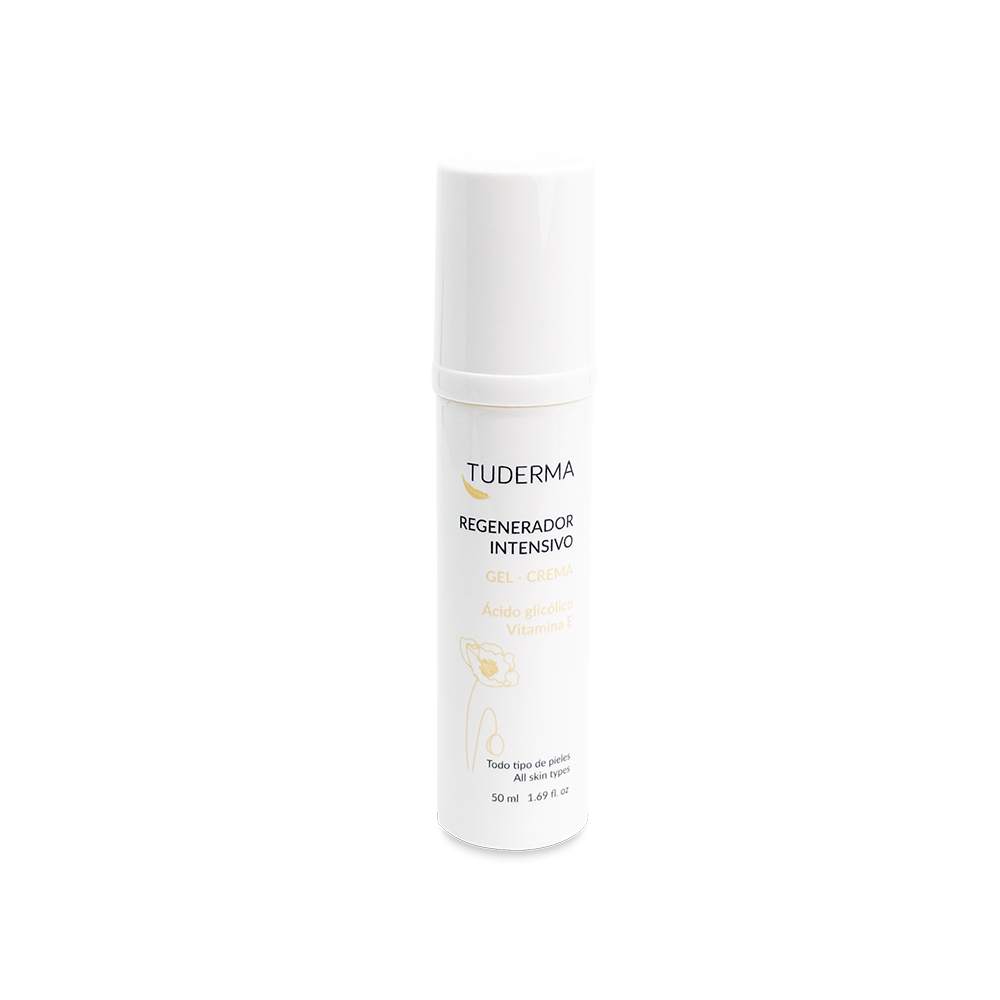
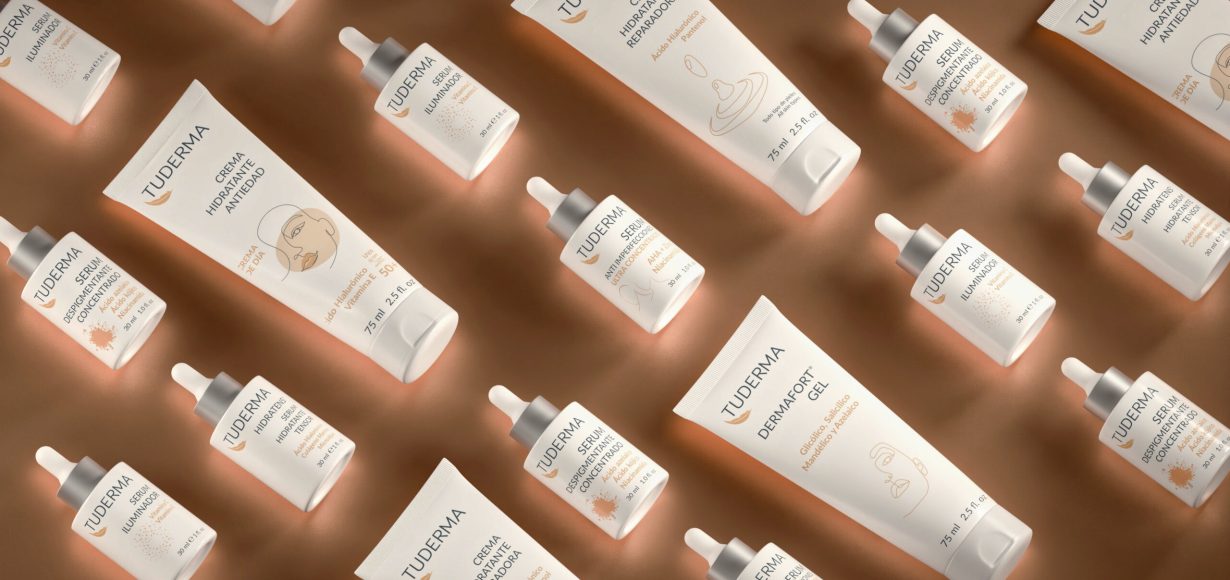
Tuderma treatments:

To minimize outbreaks and keep the skin in good condition, it is advisable to follow a constant care routine. It is important to wash hair and skin with specific products for sensitive skin, avoiding those containing alcohol or irritating fragrances. In addition, stress management through relaxation techniques or regular exercise can help reduce the frequency of outbreaks.

If seborrheic dermatitis affects your quality of life or symptoms do not improve with basic care, consulting a specialist can make a difference. Accurate diagnosis and proper treatment can effectively control the disease and improve the appearance of the skin.

Don’t let irritation and itching affect your well-being. Consult our specialists and find the best solution for your skin.

Recommended products

For more information click here:

consulta-dermatologica-online.jpg

DERMATOLOGICAL CONSULTATION

Consultation with our DERMATOLOGISTS.
Immediate solutions for SKIN PROBLEMS

bodegon-tuderma-formulario-suscripcion-3

DERMOCOSMETIC PRODUCTS

recommended products
validated by our specialists