Papillomas

Cutaneous papillomas, commonly known as warts, are benign skin lesions caused by infection with the human papillomavirus (HPV). This virus infects epithelial cells, causing an abnormal growth that manifests as small bumps on the skin.

Types of skin tags
  • Common warts. They frequently appear on hands and fingers, presenting a rough and raised surface.
  • Plantar warts. They develop on the soles of the feet and can be painful due to pressure when walking.
  • Flat warts. They are smaller and softer and usually appear on the face, neck and shaved areas.
  • Filiform warts. They are characterized by their elongated shape and are usually located around the mouth, eyes or nose.
HPV transmission

HPV is transmitted primarily by direct skin-to-skin contact with an infected person. In addition, the virus can be spread by touching contaminated objects, such as towels, clothing or wet surfaces in public places such as swimming pools and locker rooms. Small lesions or cuts in the skin facilitate the entry of the virus, increasing the risk of infection.

Although many warts may disappear spontaneously over time, there are several treatments to accelerate their removal:

  • Salicylic acid. Topical application that helps to exfoliate the layers of the wart.
  • Cryotherapy. Freezing the wart with liquid nitrogen to destroy the affected tissue.
  • Electrocautery. Use of electric current to burn and remove the wart.
  • Laser. Use of laser light to destroy the warty tissue.

The choice of treatment depends on the type of wart, its location and the patient’s characteristics. It is essential that a dermatologist evaluates each case to determine the most appropriate option.

Tuderma treatments:

Prevention of skin tags is key to reducing the risk of contracting or spreading the human papillomavirus (HPV). Maintaining proper hygiene is essential, so it is recommended to wash hands regularly with soap and water, especially after touching lesions, to prevent the spread of the virus. It is also important to avoid scratching warts, as this can facilitate autoinoculation and the spread of the virus to other parts of the body. Another essential measure is not to share personal items, such as towels, clothing or sports equipment, which could be contaminated and could favor contagion.

In addition, the use of footwear in public areas such as showers, swimming pools and locker rooms is recommended, as these spaces are prone to harbor the virus and can be a source of infection. It is also advisable to cover lesions with bandages or dressings to reduce the possibility of transmission to others, especially in situations of close contact.

Applying these preventive measures is essential to control the spread of HPV and minimize the risk of infection. Early diagnosis and following dermatological recommendations can make a difference in the treatment and management of skin tags.

Our team of dermatologists specializes in the diagnosis and treatment of skin tags. We offer personalized solutions tailored to each patient, ensuring quality care and optimal results.

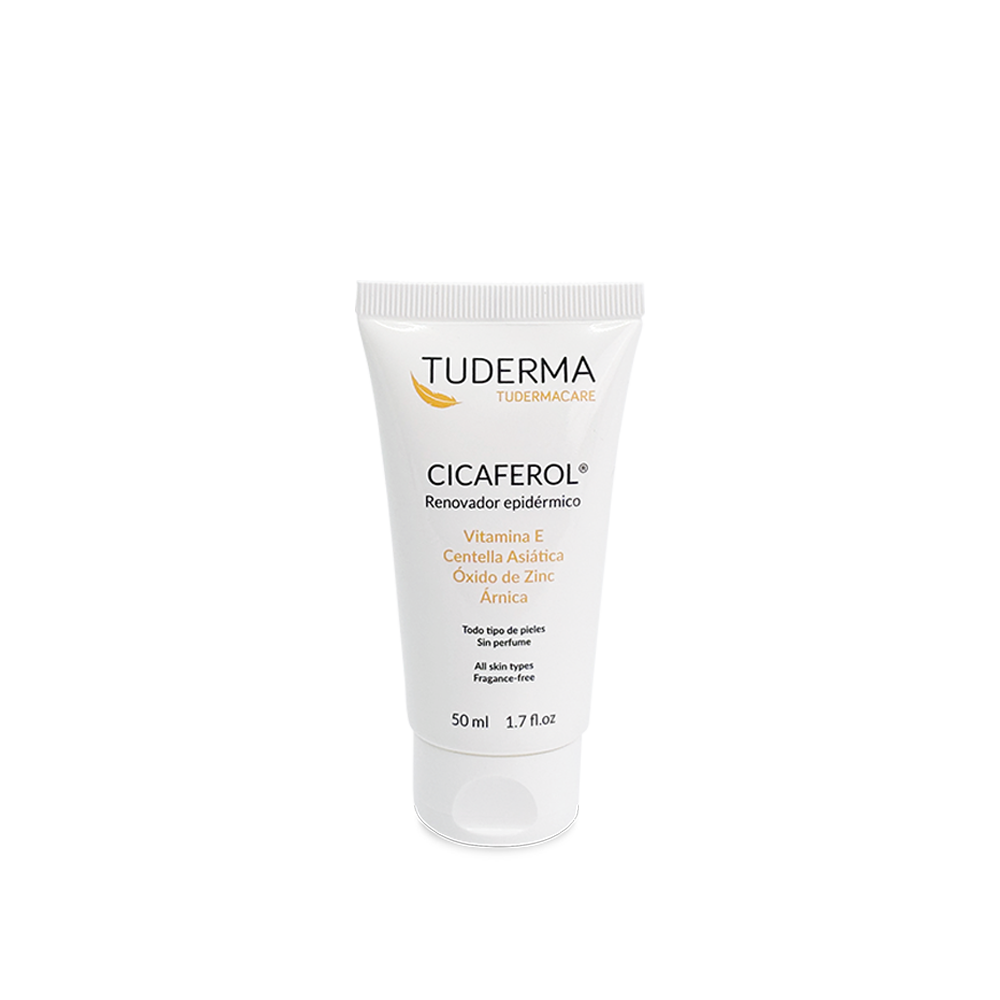
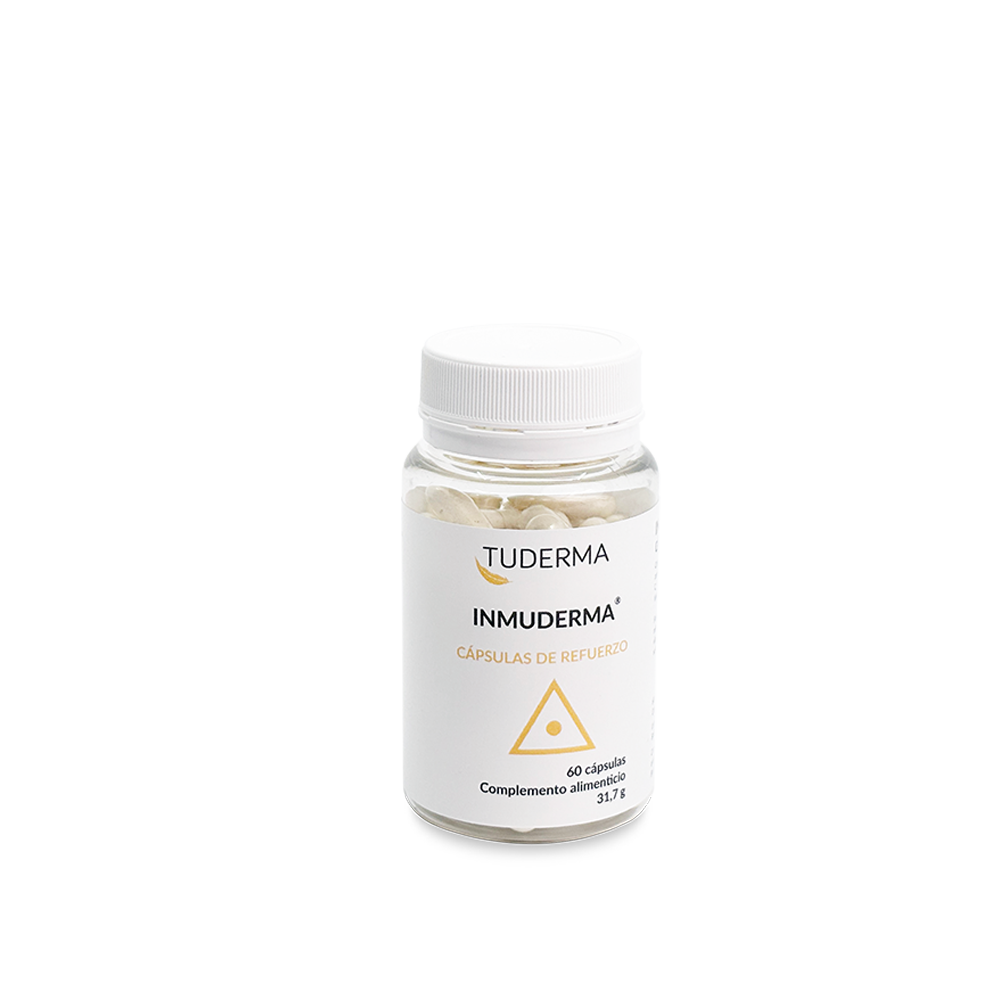
Recommended products

For more information click here:

consulta-dermatologica-online.jpg

DERMATOLOGICAL CONSULTATION

Consultation with our DERMATOLOGISTS.
Immediate solutions for SKIN PROBLEMS

bodegon-tuderma-formulario-suscripcion-3

DERMOCOSMETIC PRODUCTS

recommended products
validated by our specialists